
They reported reduced inflammatory responses.23 This extends the KPV discussion beyond the intestine, while keeping the particular experimental peptides and models in view. GHK-Cu reduced inflammation and supported repair of the intestinal lining. The seven-amino-acid sequence LKKTETQ also promoted repair in aged mice.27 That result concerns a particular fragment as well as the full-length peptide. The authors describe their TB-500 material as synthetic thymosin beta-4. Biçer’s 2026 experiment compared BPC-157 (TB-500), both peptides and a control after Achilles repair in 32 rats. Miller’s 2006 randomized study compared skin-care regimens with and without GHK-Cu after CO2 laser resurfacing.
This article covers KLOW’s exact GHK-Cu.com’s overview regulatory classification in 2026 (what differentiates compliant research sales from illegal marketing), and the specific compliance requirements laboratories must meet when purchasing peptides for investigational use. Sleep deprivation, inadequate nutrition, and chronic stress will sabotage even the best peptide protocol. Instead of targeting single pathways, you’re addressing multiple repair mechanisms simultaneously.
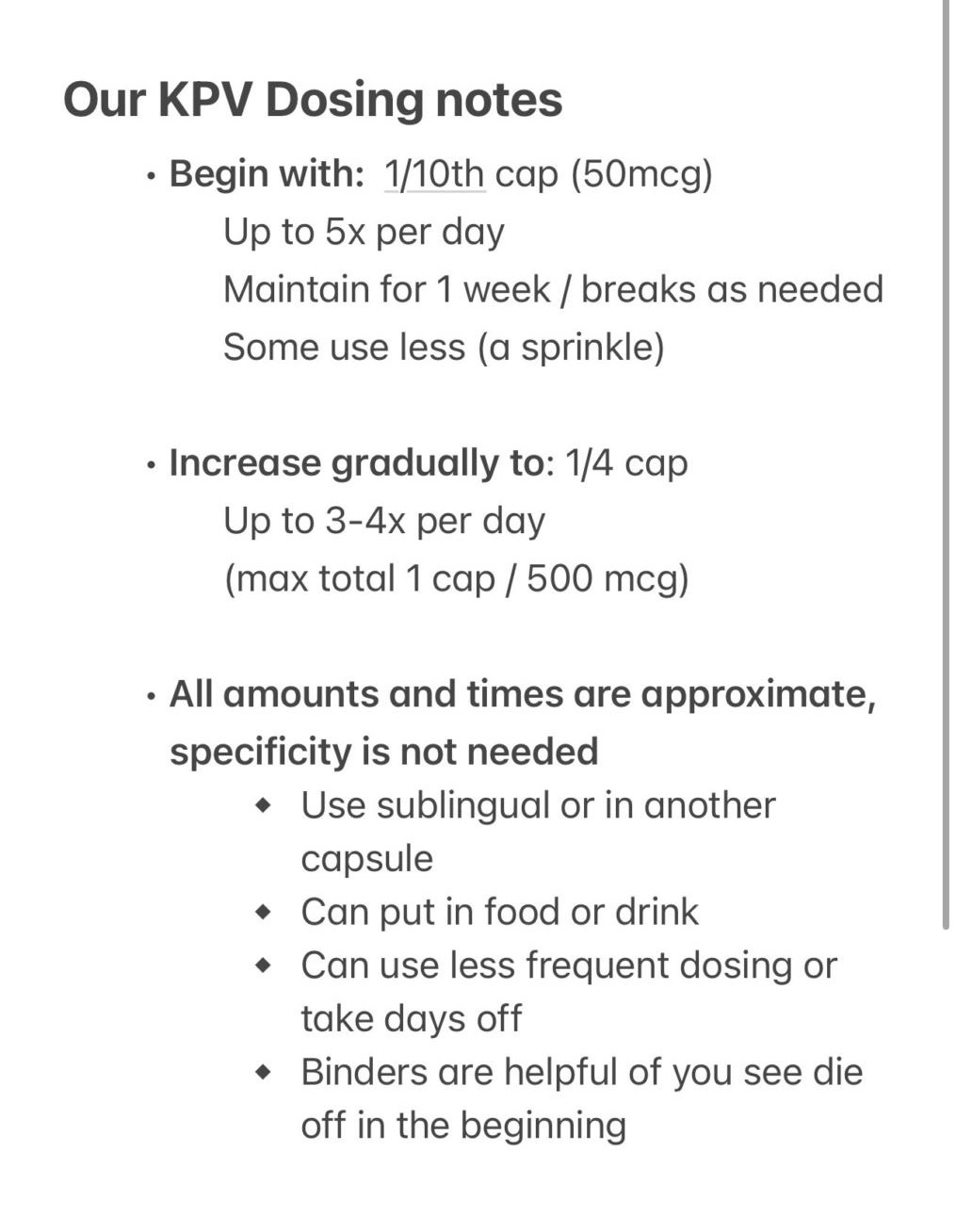
The mechanisms are established individually; the combined effect is untested. For dosing and preparation (see the KLOW peptide dosage calculator and protocol guide), our peptide reconstitution guide, and the peptide dosage calculator. The weeks 4-8 skin window is the only row whose timing lines up with an independently established process. The most common division of labour described online puts BPC-157 on localised repair at the site and TB-500 on systemic support, mobilising cells from elsewhere. KLOW sits at the outer edge of what peptide research can currently support, which is why community reports are added as a separate grade to understand what benefits people using Klow have experienced. The research on GHK-Cu as a systemic injectable compound is a separate question from what the topical skin-care literature covers — and that distinction rarely makes it into creator content.
Dose ranges for different goals
Ensure your actions are safe — avoid spending hundreds on incorrect peptides, and at last, witness the results for which you’ve labored. May your calculations remain precise — your reconstitutions be kept sterile, and your protocols prove effective. The most typical time for injections is in the morning, as some users mention slight energizing effects that may disrupt sleep if administered later in the day. It is advisable to use cycling protocols with suitable off-periods in order to sustain sensitivity and minimize potential cumulative effects.
Find the Right Peptide Tools for Your Lab by visiting our comprehensive website today, and see how our dedication to quality extends across our full peptide collection. Explore High-Purity Research Peptides and discover the difference that precision and quality can make in your laboratory. This pursuit of knowledge is a shared journey, and we’re here to support every step. Understanding how does KLOW work — or any novel peptide for that matter, demands robust methodologies and impeccable starting materials.
Are the claimed benefits of KLOW established?
Injection-site reactions are the most frequent complaint by a clear margin (and are commonly attributed to GHK-Cu), which also gives reconstituted KLOW its characteristic blue colour. KLOW is reconstituted with bacteriostatic water and administered subcutaneously in research settings — typically in cycles of several weeks. Faster recovery might indirectly permit more training volume (but that is not an anabolic effect), and no data supports one.
Gut Barrier and Digestive Support
GLOW’s glycine substitution often results in broader solubility and less self-association. When researchers weigh klow peptide vs glow peptide for a given protocol (the decision usually comes down to charge), solubility, and stability profile rather than name recognition alone. This format enables you to maintain consistency across replicates, supporting reliable and scalable sourcing outcomes. Products are never intended for human consumption or for use as cosmetics (food additives), chemicals, drugs, or any application outside stated research use. KLOW utilizes a standardized blend of peptides — formulated to deliver specific sequence diversity and molar ratio control for reproducibility in laboratory sourcing. This combination is intended for controlled laboratory settings, designed with documented quality and stability.
With training on more than 10,000 protocols and every published study (it continuously improves), gaining insights from the latest research and a community that actively engages in tracking and running their own. Before initiating, ceasing, or altering any peptide protocol or health regimen, always seek advice from a licensed medical professional. It is available for free trial, managing the blend-specific factors that complicate the KLOW protocol design compared to a single-peptide starting point. Specifically crafted for this type of customized work, the MyPeptidePal protocol builder is tailored to meet individual needs.
The ranges above are drawn from published research on individual KLOW components and from protocol data tracked inside the MyPeptidePal Knowledge Base. Individual results vary based on dose (administration route), cycle length, overall health, and consistency of use. Individual results vary based on the severity of the condition being addressed, dose, administration frequency, and overall health status. Because KLOW as a blend has no published clinical data, all timelines are extrapolated from single-component research and community protocol tracking. These timelines reflect patterns documented across individual component research and real-world protocol documentation.


